

TMT Bar Sizes Explained: Complete TMT Bar Size Chart for Construction
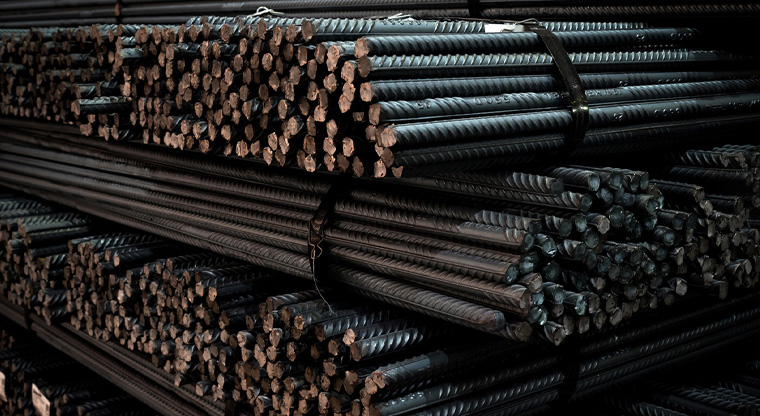
Choosing the right TMT bar size is an important decision when you are building a home, commercial property or infrastructure project. The size of a TMT bar affects the amount of steel used, reinforcement design, structural performance and overall construction requirements.
If you are wondering which TMT bar size is suitable for your project, this guide explains the commonly used TMT bar diameters, their approximate weight and where different sizes are generally used.
What are TMT Bar Sizes?
TMT bar size refers to the nominal diameter of the reinforcement bar, measured in millimetres. For example, an 8mm TMT bar has a nominal diameter of 8mm, while a 16mm TMT bar has a nominal diameter of 16mm.
Under IS 1786, standard nominal sizes include 4mm, 5mm, 6mm, 8mm, 10mm, 12mm, 16mm, 20mm, 25mm, 28mm, 32mm, 36mm, 40mm, 45mm and 50mm.
However, not every size is used equally on typical construction sites. Sizes such as 8mm, 10mm, 12mm, 16mm, 20mm, 25mm and 32mm are commonly encountered in reinforced concrete construction.
TMT Bar Size Chart
Here is a quick reference for commonly used TMT bar sizes:
| TMT Bar Size | Approx. Weight per Metre | Common Construction Use |
|---|---|---|
| 8mm | 0.395 kg/m | Stirrups and lighter reinforcement |
| 10mm | 0.617 kg/m | Slabs, stirrups and secondary reinforcement |
| 12mm | 0.888 kg/m | Slabs, beams and residential construction |
| 16mm | 1.578 kg/m | Beams, columns and slabs |
| 20mm | 2.466 kg/m | Columns, beams and heavier structural members |
| 25mm | 3.853 kg/m | Heavy beams and columns |
| 32mm | 6.313 kg/m | Heavy-duty structural applications |
The approximate nominal mass per metre is based on standard steel bar calculations and BIS specifications. Actual supplied mass is subject to applicable standards and permitted tolerances.
8mm TMT Bar
8mm TMT bars are among the smaller reinforcement sizes commonly used in construction. They are generally used for stirrups, ties and secondary reinforcement where the structural design calls for a smaller diameter.
Their lower weight also makes them easier to handle and bend compared with larger diameter bars.
10mm TMT Bar
10mm TMT bars are commonly used for secondary reinforcement and certain slab and structural applications. They can also be used for stirrups or other reinforcement requirements depending on the structural design.
The approximate nominal weight of a 10mm bar is 0.617 kg per metre.
12mm TMT Bar
12mm is one of the commonly used TMT bar sizes in residential construction. Depending on the structural design, it may be used in slabs, beams and other reinforced concrete elements.
A 12mm TMT bar has an approximate nominal weight of 0.888 kg per metre. When planning steel requirements, always refer to the reinforcement schedule prepared by your structural engineer.
16mm TMT Bar
16mm TMT bars provide a higher cross-sectional area than smaller diameter bars and are commonly used in structural members such as beams and columns.
The approximate nominal mass is 1.578 kg per metre. The actual requirement depends on factors such as load, span, structural design and applicable construction standards.
20mm, 25mm and 32mm TMT Bars
Larger TMT bar sizes are generally selected when a structure requires greater reinforcement capacity. 20mm bars can be used in beams and columns, while 25mm and 32mm bars are typically considered for heavier structural applications.
A 20mm bar weighs approximately 2.466 kg per metre, a 25mm bar approximately 3.853 kg per metre and a 32mm bar approximately 6.313 kg per metre.
The important point is that a bigger TMT bar is not automatically better. The diameter must match the structural requirements and reinforcement design.
How to Choose the Right TMT Bar Size?
The right TMT bar size should never be selected based only on the size of the building or personal preference. Your structural engineer determines the required reinforcement based on factors such as building design, loads, spans, soil conditions, seismic considerations and applicable standards.
For homeowners, the best approach is to follow the structural drawings and reinforcement schedule rather than replacing one bar diameter with another without professional approval.
You should also consider the quality and properties of the TMT bar you purchase. JSW Neosteel TMT bars are manufactured using HYQST technology, which is designed to deliver consistent strength and ductility. The brand also highlights defined rib patterns for bonding with cement and performance characteristics including fatigue and earthquake resistance.
TMT Bar Size is Only One Part of Good Construction
Understanding TMT bar sizes helps you make better decisions, but diameter alone does not determine the quality of reinforcement. The grade, ductility, manufacturing quality, chemical composition, dimensional consistency and compliance with applicable standards also matter.
Whether you are constructing your first home or managing a larger project, choose reinforcement steel based on engineering requirements and purchase it from an authorised source.
With the right TMT bar size, proper structural design and quality steel, you can build with greater confidence in the strength and durability of your structure.
Choose the right size. Choose quality reinforcement. Build with confidence.
View All Blogs


