

TMT Bar Weight Chart: 8mm, 10mm, 12mm, 16mm and More
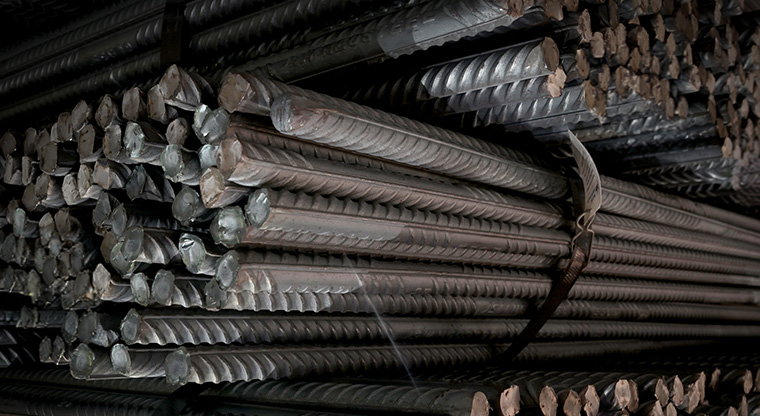
When you are planning a house or any RCC construction project, knowing the TMT bar weight can help you estimate the quantity of steel required, understand material costs and plan procurement more accurately. TMT bars are available in different diameters, and each diameter has a different weight per metre.
The most commonly used sizes include 8mm, 10mm, 12mm and 16mm TMT bars, while larger sizes such as 20mm, 25mm and 32mm are also used depending on structural requirements.
This TMT bar weight chart explains the approximate weight of different TMT bar sizes, how to calculate TMT bar weight and what each size is generally used for.
TMT Bar Weight Chart
The weight of a TMT bar depends primarily on its diameter and length. A standard TMT bar is generally supplied in a fixed length of 12 metres, subject to applicable BIS tolerances.
TMT Bar Size |
Weight per Metre |
Approx. Weight per 12m Bar |
8mm TMT Bar |
0.395 kg |
4.74 kg |
10mm TMT Bar |
0.617 kg |
7.40 kg |
12mm TMT Bar |
0.888 kg |
10.66 kg |
16mm TMT Bar |
1.578 kg |
18.94 kg |
20mm TMT Bar |
2.466 kg |
29.59 kg |
25mm TMT Bar |
3.853 kg |
46.24 kg |
32mm TMT Bar |
6.313 kg |
75.76 kg |
These are theoretical nominal weights calculated using the standard relationship between steel density, diameter and length. Actual supplied weight can vary within permissible BIS tolerances.
How to Calculate TMT Bar Weight?
You can calculate the approximate weight of a TMT bar using this commonly used formula:
TMT Bar Weight = D2 x L ÷ 162
Where:
-
D = Diameter of the TMT bar in millimetres
-
L = Length of the bar in metres
-
162 = Standard constant used for calculating the approximate weight of steel bars
For example, to calculate the weight of a 12mm TMT bar measuring 12 metres:
122 x 12 ÷ 162 = 10.67 kg approximately
This makes it easier to estimate the total steel requirement when you know the number and length of bars required for your project.
8mm TMT Bar Weight
An 8mm TMT bar weighs approximately 0.395 kg per metre, or about 4.74 kg for a 12-metre bar.
Because of its smaller diameter, 8mm TMT bars are generally used where lighter reinforcement is required, such as stirrups, ties and certain secondary reinforcement applications.
The actual application should always be based on the structural drawings and reinforcement schedule prepared for the project.
10mm TMT Bar Weight
A 10mm TMT bar weighs approximately 0.617 kg per metre and about 7.40 kg for a 12-metre bar.
10mm TMT bars can be used in slabs, stirrups and other reinforcement applications depending on the structural design. Their relatively lower weight also makes them easier to handle at construction sites.
12mm TMT Bar Weight
A 12mm TMT bar weighs approximately 0.888 kg per metre, which means a standard 12-metre bar weighs around 10.66 kg.
12mm bars are commonly encountered in residential RCC construction and may be specified for slabs, beams and other structural elements depending on the engineering design.
If you are estimating steel requirements for a house, do not select 12mm or any other diameter simply because it is commonly used. The required diameter and quantity should come from the structural design.
16mm TMT Bar Weight
A 16mm TMT bar weighs approximately 1.578 kg per metre, or about 18.94 kg for a 12-metre bar.
16mm TMT bars are generally used for structural reinforcement in elements such as beams and columns, depending on the load and reinforcement requirements.
Larger diameter does not automatically mean better reinforcement. The correct TMT bar size depends on the structural design, grade of steel and specific requirements of the building.
What is the Weight of 1 Ton of TMT Bars?
One metric tonne is equal to 1,000 kg. Therefore, the approximate number of 12-metre TMT bars in one tonne depends on the bar diameter.
For example:
-
8mm: approximately 211 bars
-
10mm: approximately 135 bars
-
12mm: approximately 94 bars
-
16mm: approximately 53 bars
-
20mm: approximately 34 bars
-
25mm: approximately 22 bars
-
32mm: approximately 13 bars
These figures are approximate and can vary based on actual supplied weight and permissible dimensional tolerances.
Why Does TMT Bar Weight Matter?
Understanding TMT bar weight helps you estimate steel quantities, compare requirements with your structural drawings and plan procurement. It can also help contractors and homeowners identify whether the quantity supplied is broadly consistent with the expected requirement.
However, weight should not be the only factor when selecting reinforcement steel. The grade, strength, ductility, chemical composition, rib pattern, manufacturing quality and compliance with applicable standards are equally important.
JSW Neosteel manufactures TMT bars using HYQST technology, which is designed to provide consistent mechanical properties across the bar. Its products include high-strength and high-ductility options such as JSW Neosteel 550D, EDS and 600, along with corrosion-resistant solutions.
Choose the Right TMT Bar for Your Construction
Whether you are building an independent house, apartment, commercial building or infrastructure project, the right TMT bar is selected according to the structural requirements rather than weight alone.
Use the TMT bar weight chart as a reference for estimating material quantities, but always follow the structural engineer's drawings for the correct bar diameter, spacing and quantity.
With consistent quality, appropriate strength and the right reinforcement design, you can build an RCC structure that is designed for long-term performance. JSW Neosteel focuses on consistent quality, ductility, strength and bonding with concrete across its TMT bar range.
Know the weight. Understand the requirement. Choose the right TMT bar for your build.
View All Blogs


